İkinci El (İngilizce)
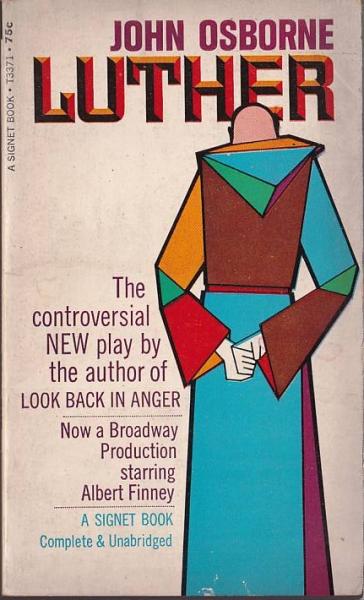
"Luther" by John Osborne is a historical and psychological drama that explores the life of Martin Luther, the 16th-century theologian who catalyzed the Protestant Reformation. The play begins in 1506 at an Augustinian convent in Erfurt, where a young Luther is received into the Order, vowing to live a life devoted to God. The narrative unfolds against the backdrop of Luther's internal struggles with feelings of unworthiness and his relentless quest for spiritual perfection. As the story progresses, it transitions from Luther's personal turmoil to his growing opposition to the practices of the Roman Catholic Church, particularly the sale of indulgences.
The play intricately portrays Luther's defiance, culminating in his famous act of nailing his ninety-five theses to the church door, which challenges the Church's authority and practices. Throughout the drama, Osborne employs symbolic imagery and dramatic devices to emphasize Luther’s psychological anguish and the profound impact of his convictions. The play culminates in pivotal historical moments such as the Diet of Worms, where Luther famously refuses to recant his writings, and his subsequent struggles during the Peasants' War, showcasing the complex interplay between personal belief and societal upheaval. Osborne's work highlights the loneliness of the individual in the face of institutional power, a recurring theme in his broader oeuvre.
İkinci El (İngilizce)
"Luther" by John Osborne is a historical and psychological drama that explores the life of Martin Luther, the 16th-century theologian who catalyzed the Protestant Reformation. The play begins in 1506 at an Augustinian convent in Erfurt, where a young Luther is received into the Order, vowing to live a life devoted to God. The narrative unfolds against the backdrop of Luther's internal struggles with feelings of unworthiness and his relentless quest for spiritual perfection. As the story progresses, it transitions from Luther's personal turmoil to his growing opposition to the practices of the Roman Catholic Church, particularly the sale of indulgences.
The play intricately portrays Luther's defiance, culminating in his famous act of nailing his ninety-five theses to the church door, which challenges the Church's authority and practices. Throughout the drama, Osborne employs symbolic imagery and dramatic devices to emphasize Luther’s psychological anguish and the profound impact of his convictions. The play culminates in pivotal historical moments such as the Diet of Worms, where Luther famously refuses to recant his writings, and his subsequent struggles during the Peasants' War, showcasing the complex interplay between personal belief and societal upheaval. Osborne's work highlights the loneliness of the individual in the face of institutional power, a recurring theme in his broader oeuvre.